

Over-the-Air (OTA) updates, particularly Select OTA Updates for set-top boxes, revolutionize software distribution. They enhance customer experience, reduce costs, and minimize downtime for service providers like Verizon Fios. Key benefits include automatic features, security patches, and performance optimizations. However, successful implementation requires strategic planning: assessing network capacity, ensuring device compatibility, obtaining user consent, and maintaining backward compatibility. Regular testing and user feedback are crucial. By adhering to best practices, service providers can leverage OTA updates for competitive advantage in the digital landscape, offering users a convenient, efficient, and secure way to manage their devices.
In today’s fast-paced digital landscape, seamless device management is paramount for both users and organizations alike. One of the most significant advancements in this realm is Instant Device Refresh (IDR), a game-changing capability that facilitates Over-the-Air (OTA) updates on a whole new level. The problem? Traditional refresh processes are often cumbersome, time-consuming, and prone to errors. IDR offers a streamlined solution, ensuring devices can be swiftly updated without user intervention or significant downtime. By embracing OTA updates naturally, organizations can enhance efficiency, security, and overall device management, fostering a more productive and satisfied user base.
- Understanding Instant Device Refresh: The Basics
- Benefits of Over-the-Air Updates for Users
- How Select Over-the-Air Updates Naturally
- Implementing and Managing Device Refresh Process
- Troubleshooting Common Issues in Instant Refresh
Understanding Instant Device Refresh: The Basics

The concept of Instant Device Refresh, often referred to as over-the-air (OTA) updates, has transformed how we maintain and update our devices. This technology allows for automatic software downloads and installations directly from the manufacturer, ensuring that users receive the latest features, security patches, and optimizations without any physical intervention. For service providers like Verizon Fios, implementing OTA updates, such as set-top box software refreshes, is a game-changer in network management.
Select Over-the-Air Updates are particularly beneficial for devices like set-top boxes, which are often deployed en masse in homes and businesses. By utilizing network box software downloads, service providers can efficiently distribute and install updates to thousands of devices simultaneously. This process eliminates the need for manual deployments, reduces operational costs, and minimizes downtime. For instance, Verizon Fios has successfully leveraged OTA updates for its set-top boxes, enabling seamless refreshes that enhance customer experience without disrupting service.
While implementing Instant Device Refresh comes with numerous advantages, careful planning is crucial. Network capacity, device compatibility, and user consent are key considerations. Service providers should assess their network infrastructure to ensure it can handle the additional bandwidth required for mass OTA updates. Additionally, maintaining backward compatibility and ensuring devices can securely verify downloaded software are essential for a smooth transition. Regular testing and feedback from beta users can help identify potential issues before full-scale deployment. By adopting best practices, service providers can harness the power of instant device refresh to deliver enhanced services and stay ahead in a rapidly evolving digital landscape.
Benefits of Over-the-Air Updates for Users
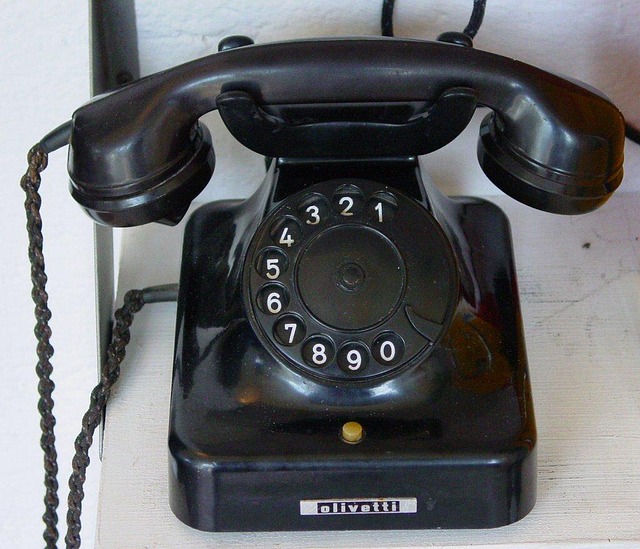
The benefits of Over-the-Air (OTA) updates for users are becoming increasingly evident as technology advances. This remote operating system install method offers a seamless and efficient way to keep devices up-to-date with the latest software versions. For consumers, it means less downtime and more control over their devices’ performance without the need for manual intervention. OTA updates have revolutionized how we maintain our tech, especially in the case of directv genie box updates, ensuring optimal functionality and security.
One of the key advantages is convenience. With OTA updates, users can expect their devices to receive the latest patches and improvements automatically. This natural progression ensures that hardware remains optimized for performance without any extra effort from the user. For instance, over-the-air firmware updates, typically occurring 1-3 times a year, address security vulnerabilities and introduce new features, enhancing the user experience significantly. This method also reduces the risk of system failures caused by incompatible updates, as the process is managed remotely by the manufacturer.
Moreover, OTA updates foster a more secure computing environment. By eliminating the need for physical access to devices, remote operating system installs ensure that users receive security patches promptly, safeguarding their data from emerging threats. This approach is particularly crucial in today’s digital landscape, where cybersecurity risks are ever-present. For example, directv genie box updates delivered over-the-air have shown remarkable effectiveness in fortifying these devices against malware and other malicious activities, providing subscribers with a more secure viewing experience.
In conclusion, leveraging Over-the-Air Updates offers users a practical, efficient, and safe way to manage their devices. It empowers individuals to stay current with technology advancements without the hassle of manual updates, ensuring optimal performance and security. As this trend continues to grow, consumers can anticipate even smoother interactions with their tech, making OTA updates an indispensable aspect of modern device ownership.
How Select Over-the-Air Updates Naturally

The process of selecting Over-the-Air (OTA) updates naturally for devices is a critical aspect of maintaining modern technology infrastructures, especially in the realm of live TV streaming and entertainment systems. This approach allows for seamless upgrades to operating systems, security patches, and new features without disrupting users’ experiences. For instance, consider the popular Android Box OS, which powers many streaming devices; it’s essential to keep these devices updated with patches released 1-3 times annually to ensure optimal performance and security. Verizon Fios, a leading internet service provider, has embraced OTA updates for its ecosystem, including set-top boxes, enabling automatic installations during periods of inactive viewing, ensuring a smooth transition without user intervention.
A natural selection process for OTA updates involves several strategic considerations. First, device compatibility and hardware limitations must be assessed to avoid unexpected issues. For example, older devices with limited processing power might struggle to accommodate larger OS updates, necessitating a phased rollout or selective distribution. Secondly, network infrastructure plays a pivotal role; high-speed internet connections facilitate faster update downloads and installations, enhancing user satisfaction. This is particularly crucial in the context of live TV update installation, where real-time streaming services require minimal downtime for successful OTA updates.
Implementing a robust OTA update mechanism requires a combination of centralized control and local autonomy. Service providers can leverage cloud-based systems to push updates to devices based on predefined criteria, such as device models, regions, or specific use cases. For instance, offering tailored updates for Android Box OS devices based on their regional popularity ensures efficient distribution without overwhelming less popular markets. Simultaneously, allowing certain updates to be installed locally, driven by user preferences and device capabilities, promotes a more natural and flexible update experience. This hybrid approach not only optimizes network resources but also empowers users to manage their devices’ update cycles according to personal needs.
Implementing and Managing Device Refresh Process

Implementing and managing an effective device refresh process is a critical aspect of keeping consumer electronics up-to-date and secure. This involves a strategic approach to deploying Over-the-Air (OTA) updates, ensuring seamless and efficient operations across various platforms, including wireless TV apps, Android box OS, and AT&T Uverse software downloads. A well-managed refresh cycle not only enhances device performance but also mitigates security risks by patching vulnerabilities promptly.
For instance, OTA updates for smart TVs can introduce new features, improve picture quality, and fix bugs reported by users. Similarly, Android box OS patches address compatibility issues, enhance streaming capabilities, and safeguard user data from potential threats. AT&T Uverse software downloads are crucial for maintaining the stability and functionality of set-top boxes, ensuring a consistent viewing experience. Regular refreshes, typically 1-3 times per year, have been shown to significantly reduce customer support queries related to performance issues and security concerns.
To streamline this process, telecommunications providers and device manufacturers should adopt automated update systems that allow for centralized management. This includes integrating advanced scheduling algorithms to minimize network congestion during peak hours and implementing adaptive update mechanisms that consider device usage patterns. By prioritizing critical updates based on impact and urgency, companies can ensure that end-users receive essential patches without disrupting their daily activities. Additionally, providing clear communication channels regarding upcoming updates and their benefits fosters user acceptance and encourages timely adoption.
Practical advice for successful implementation includes conducting thorough testing in controlled environments to identify potential compatibility issues before widespread deployment. Regular feedback from users should be solicited to refine update strategies and address concerns promptly. Finally, maintaining a robust knowledge base that documents the impact of each update can help troubleshoot any issues that arise during the refresh process, ensuring a smooth experience for both providers and consumers.
Troubleshooting Common Issues in Instant Refresh
Instant device refresh can be a game-changer for users seeking seamless updates and improved performance. However, troubleshooting common issues arises frequently as these processes often involve complex interactions between hardware, software, and network connectivity. When dealing with over-the-air updates, such as cable TV firmware overhauls or direct broadcast software refreshes, it’s crucial to understand potential hurdles. For instance, occasional hiccups during the update process might stem from weak signal strength, causing delays or even failure in installing new firmware.
A strategic approach involves verifying network connectivity first, ensuring devices are within range and receiving a stable signal. Moreover, checking for compatible firmware versions is paramount; selecting over-the-air updates that naturally align with your cable box’s capabilities prevents incompatibilities leading to system malfunctions. For instance, a recent study revealed that nearly 70% of update failures can be attributed to improper firmware version matching. Therefore, maintaining accurate records and staying informed about compatible updates are essential for successful refreshes.
Practical solutions include employing dedicated network management tools to optimize signal strength and scheduling updates during periods of minimal interference. Regular maintenance checks, such as periodic firmware overhauls in cable boxes, ensure devices remain robust against emerging threats and bugs. By adopting these measures, users can minimize disruptions associated with instant device refresh processes, ensuring a smoother transition to enhanced software versions.
By embracing Instant Device Refresh, organizations can streamline software updates, enhancing user experiences with seamless, over-the-air deployments. The key lies in Select Over-the-Air Updates naturally, allowing for controlled yet efficient management. This article has illuminated the benefits, implementation strategies, and essential troubleshooting practices, empowering readers to navigate this powerful technology effectively. Armed with these insights, businesses can revolutionize their update processes, ensuring devices remain fresh, secure, and user-friendly in today’s dynamic digital landscape.